Winter Heating Tips That Keep the House Warm Without Wrecking the Bill

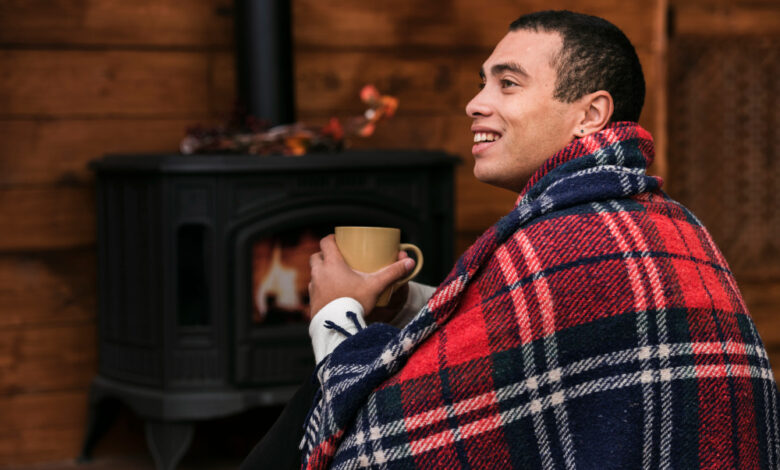
A furnace that gets a real tune-up in the fall is quieter, safer, and cheaper to run all winter
Winter does not have to mean a cold house or a shocking gas bill. Most of the pain comes from a system that sat idle all summer, dirty filters, and heat leaking out of rooms you paid to warm. A few winter heating tips before the first cold snap, plus one honest furnace visit, will carry most homes through the season.
Get a Furnace Tune-Up Before You Need Heat Every Night
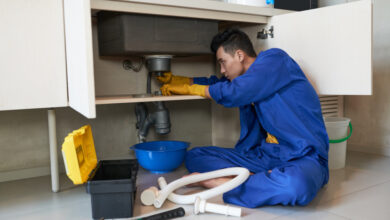
A tune-up is not a gimmick. After months of sitting, burners get dusty, the flame can look lazy, the blower wheel picks up lint, and the drain or pressure switch on a high-efficiency unit can gum up. A tech who actually services the unit will change or check the filter, clean the burners, inspect the heat exchanger for cracks, test the igniter or pilot, measure temperature rise, check gas pressure, and make sure the exhaust is going outside, not into the house.
That work pays off in three ways. The furnace starts when you ask it to, instead of clicking and quitting on the first 40-degree night. It runs closer to the efficiency the manufacturer promised, which shows up on the bill. And someone looks at the parts that fail dangerous: cracked exchangers, blocked flues, bad carbon monoxide risks. If the tech finds a heat exchanger problem, that is not an upsell. That is the reason you had them out.
Book the visit in fall, not the week a storm hits. Shops fill up the first cold weekend, and you will wait in a sweater while every other house in town calls the same number. Ask what the visit includes in writing. A real tune-up is more than a filter slap and a smile and can help prevent needing a heating repair in the middle of winter.
Change the Filter Like It Matters
A clogged filter makes the blower work harder, cuts airflow across the heat exchanger, and can trip the furnace off. Check it every month in winter. Cheap fiberglass filters are fine if you swap them often. Thicker pleated filters catch more dust but choke a weak blower if you leave them in too long. Write the date on the frame so you stop guessing.
Stop Heating the Yard
Close the damper on a fireplace you are not using. Weatherstrip the door that slams in the wind. Put a simple sweep on the garage entry. Close the damper on unused vents only if a tech told you the system can handle it. Blocking too many registers can overheat a furnace. Heavy curtains on west and north windows at night help more than people think. Open them when the sun is out.
Use the Thermostat Like an Adult
Dropping the set point eight degrees while you sleep or leave for work saves money. Dropping it twenty and then blasting it when you get home does not. The furnace works hardest on those big recoveries. A programmable or smart thermostat is worth it if you actually set a schedule. If you have a heat pump, do not keep bumping the number up and down. Let it hold a steady range.
Give the Equipment Room and the Outdoor Unit Air
Furnaces need combustion air. Do not stack paint cans and holiday bins against the unit. Keep the area around a gas furnace clear. If you have a heat pump or a packaged unit outside, keep leaves, weeds, and storage off the coil. Ice on a heat pump in a cold snap is normal to a point. A solid block of ice that never melts is a service call, not a garden hose job in freezing weather.
Carbon Monoxide Is Not Optional
Put working CO alarms near bedrooms and on each floor. Replace units that are past the date on the back. Never run a gas oven or a grill to heat the house. If anyone gets headaches when the furnace runs, or you smell exhaust, shut it down and get a tech. That is not a wait-until-Monday problem.
A Short List Before the First Freeze
Replace the filter. Test the thermostat. Walk the house at dusk and feel for drafts. Confirm the CO alarms chirp when you hit the test button. Schedule the furnace tune-up. Bleed a radiator if you still have one. Know where the gas shutoff is. That is the whole winter kit for most homes. Do it once, then stop fighting the house all season.