
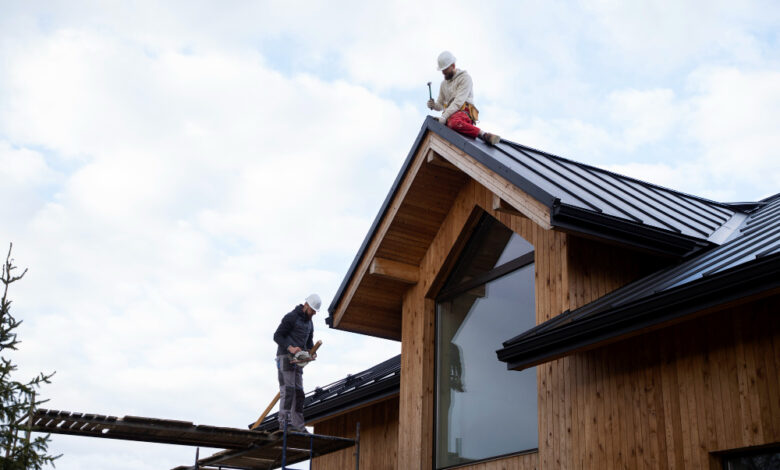
Commercial buildings across Sydney are exposed to a wide range of environmental conditions that can place constant stress on roofing systems. From heavy rainfall and strong coastal winds to intense summer heat and seasonal storms, these factors gradually wear down roofing materials over time.
For building owners and property managers, roof issues are not just a maintenance concern. They can quickly become operational disruptions that affect tenants, staff, customers and overall business continuity. When left unresolved, even minor roofing problems can escalate into significant structural damage and costly repairs.
Understanding the most common commercial roof problems in Sydney is essential for preventing long term damage and maintaining safe, functional buildings.
Water Leaks and Moisture Intrusion
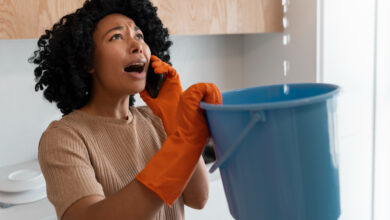
One of the most common issues faced by commercial building owners is water leakage. Roof leaks can develop slowly over time or appear suddenly after heavy rainfall or storm events.
Leaks often occur due to damaged membranes, cracked flashing, worn sealants or blocked drainage systems. In some cases, even small gaps or deteriorated joints can allow water to enter the building envelope.
Once moisture penetrates the roof structure, it can spread quickly through ceilings, insulation and internal walls. This can lead to staining, mould growth, electrical hazards and deterioration of building materials.
Water damage is particularly problematic in commercial settings where sensitive equipment, stock or office spaces may be located directly below the roof area.
Blocked or Inefficient Drainage Systems
Sydney experiences periods of heavy rainfall, making effective roof drainage essential for commercial buildings. When gutters, downpipes or internal drainage systems become blocked, water can accumulate on the roof surface.
Standing water places additional weight and pressure on roofing materials, increasing the risk of structural damage and leaks. It can also accelerate deterioration of membranes and coatings.
Blocked drainage is often caused by debris such as leaves, dirt, branches and general buildup over time. Without regular maintenance, these issues can go unnoticed until water overflow or internal leaks occur.
Proper drainage design and routine cleaning are critical for preventing long term roof damage in commercial properties.
Membrane Damage and Surface Wear
Many commercial roofs in Sydney use membrane systems designed to provide waterproof protection across large flat surfaces. While these systems are effective, they are also vulnerable to wear and tear over time.
Exposure to UV radiation, temperature fluctuations and physical foot traffic can cause membranes to crack, blister or separate from the underlying surface.
Once the protective layer is compromised, water can penetrate the roof structure and lead to further deterioration.
Building owners often overlook small membrane issues until they develop into larger problems. Regular inspections are essential to identify early signs of damage before costly repairs are required.
Flashing Failures Around Roof Penetrations
Roof flashing is used to seal joints and transitions around areas such as vents, skylights, air conditioning units and edges. These areas are particularly vulnerable to leaks because they involve interruptions in the roofing surface.
Over time, flashing can loosen, corrode or degrade due to weather exposure and building movement. When this happens, gaps can form that allow water ingress.
Flashing failures are a common source of commercial roof leaks in Sydney, especially in older buildings or roofs that have not been properly maintained.
Repairing or replacing damaged flashing is often a critical step in restoring roof integrity and preventing further water damage.
Storm and Weather Damage
Sydney’s weather conditions can be unpredictable, with severe storms, strong winds and heavy rainfall causing sudden and significant roof damage.
High winds can lift roofing materials, dislodge sheets or damage roof fixtures. Falling debris such as branches can also puncture or crack roof surfaces.
Storm damage often leads to immediate leaks or structural vulnerabilities that require urgent attention. In some cases, temporary repairs may be needed to prevent further water ingress until permanent solutions can be implemented.
Building owners are often advised to conduct roof inspections after major weather events to identify and address any damage early.
Poor Installation and Workmanship Issues
Not all roof problems are caused by environmental factors. In some cases, issues arise due to poor installation practices or substandard workmanship during construction or previous repairs.
Common installation problems include incorrect sealing, inadequate drainage design, improper material selection or poorly fitted flashing.
These issues may not be immediately visible but can lead to long term performance problems. Over time, weak points in the roof system can fail and result in leaks or structural deterioration.
Engaging qualified roofing professionals for installation and repairs is essential to ensure long term durability and compliance with building standards.
Ponding Water on Flat Roofs
Flat commercial roofs are common across Sydney, particularly on office buildings, warehouses and retail centres. However, flat roofs are more prone to water pooling or ponding if drainage is not properly designed or maintained.
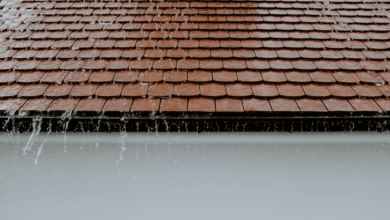
Ponding water occurs when water remains on the roof surface for extended periods after rainfall. This can accelerate material breakdown and increase the risk of leaks.
It can also add unnecessary weight to the structure, placing additional stress on the building.
Over time, ponding water can lead to membrane failure, mould growth and internal water damage. Addressing drainage issues is essential for preventing this problem.
Corrosion and Material Deterioration
Commercial roofing materials are exposed to constant environmental stress, including moisture, pollution and salt air in coastal areas of Sydney.
Metal roofing systems in particular are susceptible to corrosion if protective coatings wear down over time. Rust can weaken structural integrity and create entry points for water.
Other materials such as sealants, adhesives and coatings can also deteriorate, reducing the overall effectiveness of the roofing system.
Regular maintenance and protective treatments can help extend the lifespan of roofing materials and reduce the risk of corrosion related damage.
Lack of Regular Maintenance
One of the most significant factors contributing to commercial roof problems is lack of regular maintenance. Many building owners only address roofing issues once visible damage occurs.
Without routine inspections, small problems such as minor leaks, blocked drainage or surface wear can go unnoticed until they become major repairs.
A proactive maintenance approach helps identify issues early and ensures that roofing systems remain in good condition throughout their lifespan.
Scheduled inspections, cleaning and preventative repairs are essential for reducing long term costs and avoiding unexpected disruptions.
Impact on Building Operations and Tenants
Roof problems in commercial buildings can have a direct impact on daily operations. Water leaks can damage office spaces, disrupt retail trading or create unsafe working conditions.
In multi tenancy buildings, roof issues can affect multiple businesses at once, leading to complaints, downtime and potential financial loss.
Building owners have a responsibility to maintain safe and functional premises for tenants. Addressing roof problems promptly is essential for maintaining tenant satisfaction and protecting long term rental value.
Importance of Professional Roof Inspections
Given the complexity of commercial roofing systems, professional inspections are essential for identifying and diagnosing issues accurately.
Experienced roofing specialists can assess structural condition, identify hidden damage and recommend appropriate repair solutions.
Inspections are particularly important after severe weather events or when buildings show signs of leaks or deterioration.
Early detection of problems allows for more cost effective repairs and helps extend the lifespan of the roof system.
Final Thoughts
Commercial roof problems are a common challenge for building owners across Sydney. From leaks and drainage issues to storm damage and material deterioration, these issues can quickly escalate if not properly managed.
Understanding the most common roofing problems and taking a proactive approach to maintenance is essential for protecting building assets and ensuring operational continuity.
Regular inspections, timely repairs and professional maintenance all play a key role in preventing costly damage and extending the life of commercial roofing systems.
For building owners and property managers, investing in roof care is not just about maintenance. It is about protecting property value, ensuring tenant satisfaction and maintaining safe, functional buildings in a demanding urban environment.