
Metal reroofing is one of the most significant upgrades a homeowner can make, offering durability, weather resistance, and long-term value. However, many Melbourne homeowners are uncertain about pricing because reroofing costs vary widely depending on multiple technical and site-specific factors. As a roofing professional working across Melbourne suburbs, I often see confusion around why quotes differ and what actually determines the final cost.
This guide explains, in practical terms, the real factors that affect metal reroofing cost in Melbourne, helping homeowners make informed decisions before committing to a major roofing investment.
Understanding Metal Reroofing vs Roof Replacement
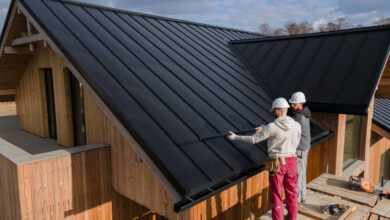
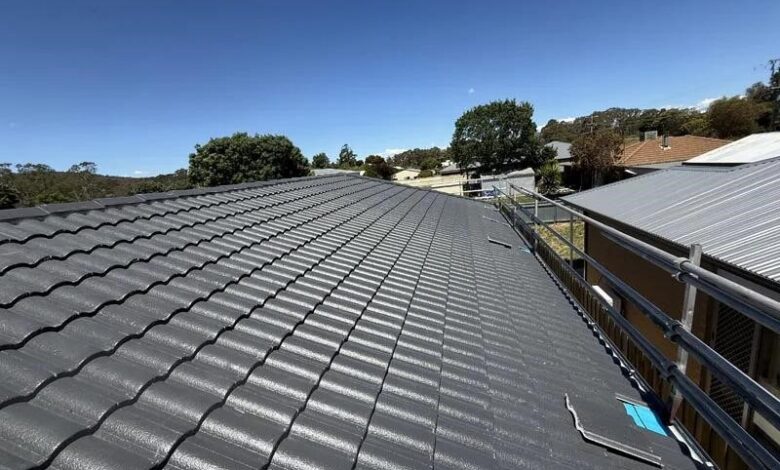
Metal reroofing involves removing an existing roof — often tile or ageing metal — and installing a new metal roofing system. Unlike minor repairs or restoration, reroofing replaces the roof covering entirely and may involve upgrades to structural elements, insulation, and drainage.
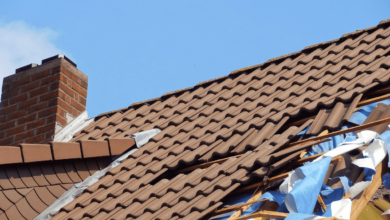
For many homes transitioning from tile systems, reroofing offers improved performance compared to repeated repairs such as tile roof repair melbourne, particularly when tiles have reached the end of their service life.
Roof Size and Geometry
Roof size is the most immediate cost determinant. Larger roofs require more materials, labour hours, and safety equipment. However, geometry plays an equally important role.
Roofs with:
- Multiple valleys
- Steep pitches
- Complex intersections
- Dormers or skylights
Require additional cutting, flashing, and installation time. Simple gable or skillion roofs are more cost-effective than complex architectural designs.
Choice of Metal Roofing Material
Not all metal roofing products are priced equally. Melbourne homeowners commonly choose between:
- Colorbond steel (most popular)
- Zincalume
- Standing seam metal roofing
- Aluminium roofing systems
Premium profiles, thicker gauge steel, and specialty finishes increase material costs but also deliver better longevity, corrosion resistance, and thermal performance.
Material selection should balance upfront cost with long-term durability, especially in coastal or high-wind areas.
Existing Roof Type and Removal Requirements
The cost of metal reroofing depends heavily on what is currently installed. Removing concrete or terracotta tiles involves:
- Manual tile removal
- Disposal and waste management
- Inspection of battens and trusses
Older tile roofs often reveal degraded battens or underlayment once removed, requiring replacement before new metal sheets can be installed. This additional scope affects both labour and material costs.
Structural Upgrades and Compliance
Melbourne building standards require roofs to meet wind load, thermal, and structural regulations. Some homes — particularly older properties — require:
- Batten upgrades
- Structural bracing
- Sarking replacement
- Improved insulation systems
These upgrades are not optional and are essential for safety, performance, and compliance. A professional roofing assessment identifies these needs early, preventing cost surprises mid-project.
Labour Complexity and Installation Time
Metal reroofing is a skilled trade. Labour costs reflect the expertise required to ensure correct sheet alignment, secure fixings, and watertight detailing.
Factors increasing labour cost include:
- Limited site access
- Height restrictions
- Steep roof pitch
- Weather delays
Experienced installers work efficiently while maintaining safety and installation standards — a critical factor in roof longevity.
Flashing, Valleys, and Roof Penetrations
Every penetration in a roof increases installation complexity. Chimneys, vents, skylights, and solar panel mounts all require custom flashing work.
Quality flashing installation prevents leaks and wind-driven rain penetration. Cutting costs here often leads to future repair issues, especially during Melbourne’s heavy rain events.
Insulation and Thermal Performance
Metal roofing systems perform best when paired with appropriate insulation and sarking. Modern reroofing projects often include:
- Reflective foil insulation
- Acoustic dampening layers
- Improved thermal barriers
These additions reduce heat transfer, improve energy efficiency, and enhance indoor comfort — particularly during Melbourne’s hot summers.
Accessibility and Site Conditions
Site logistics play a role in pricing. Limited driveway access, narrow streets, or heritage overlays can increase project complexity. Safety systems such as scaffolding or elevated work platforms may be required, adding to overall costs.
Permits, Waste Removal, and Project Management
Professional reroofing includes:
- Council compliance (if required)
- Safe waste disposal
- Project coordination and supervision
These elements ensure the project runs smoothly and meets legal requirements. While often overlooked, they are essential components of a legitimate roofing quote.
Why Professional Assessment Matters
Metal reroofing is not a standardised service. Each home presents unique challenges that must be assessed by a qualified roofing specialist melbourne. A professional inspection ensures accurate pricing, proper material selection, and long-term performance. If you’re unsure how to vet roofing professionals, explore guide how to choose the best roofing contractor in Melbourne can help you confidently select the right team.
Homeowners who rely solely on price comparisons without understanding scope often face unexpected costs or compromised workmanship.
Long-Term Value vs Initial Cost
While metal reroofing may appear expensive upfront, it delivers:
- Longer lifespan than tile systems
- Lower maintenance requirements
- Improved weather resistance
- Increased property value
When evaluated over decades, metal roofing often proves more cost-effective than repeated repairs or restorations.
Final Thoughts
Understanding what influences metal reroofing costs empowers Melbourne homeowners to make confident decisions. Factors such as roof design, right material choice, structural condition, and compliance requirements all contribute to final pricing.
A well-planned reroofing project carried out by experienced professionals ensures your investment delivers safety, performance, and value for many years to come.
Author Bio:
Rajni Sharma is a Melbourne-based content writer with strong knowledge of the roofing industry, creating clear, informative content for roofing and construction businesses.