
Why Does Your Yard Still Flood Even After the Council Cleared the Street Drain?

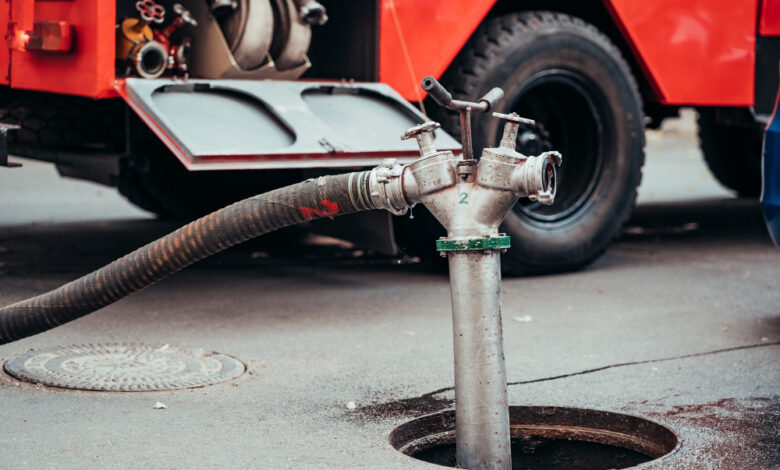
When the street drain is clear but your yard is still wet
A flooded yard after heavy rain can be confusing, especially when the council has already cleared the street drain nearby. Many Adelaide homeowners assume the roadside drain is the whole problem, so when water still pools around the lawn, driveway, side path, or garage, it can feel like nothing has changed. In many cases, the issue is not the council drain at all. It is the private stormwater system on the property side, where pipes, pits, downpipes, and underground lines carry water away from the home.
This is where a blocked stormwater drain plumber may need to check what is happening between your roof, garden pits, and the point where water leaves the property. The street may be draining properly while your own stormwater line is partly blocked, crushed, full of roots, or simply not moving water fast enough during heavier rain.
Why council drainage and private drainage are not the same thing
Council drains are designed to manage water from roads, kerbs, public reserves, and other shared spaces. Your property stormwater system is different. It usually collects water from roof gutters, downpipes, surface pits, paved areas, and sometimes retaining wall drainage. These systems may eventually discharge to the street, a legal point of discharge, or another approved stormwater connection, but the pipes inside your boundary are generally the owner’s responsibility.
This distinction matters because a cleared street drain does not automatically clear your private pipework. If your yard still floods, water may be backing up before it reaches the street. In older Adelaide properties, the problem can be made worse by shallow pits, undersized pipes, poor fall, or older clay and concrete sections that have moved over time.
Common reasons water keeps pooling on the property
Repeated yard flooding often comes from a combination of small issues rather than one obvious failure. Leaves and roof grit can wash down into stormwater lines. Soil can enter through cracked pipe joints. Tree roots can find moisture inside older drains. Surface pits can look open from above while the outlet pipe underneath is blocked. In some cases, the downpipes are connected to ageing underground lines that no longer carry water properly.
Poor landscaping can also play a role. Paving, garden beds, lawns, and new extensions can change how water moves across the block. If water now flows toward the house instead of away from it, even a working drain may struggle. Stormwater drain cleaning Adelaide homeowners arrange after repeated flooding often reveals that the visible pit was only one part of a deeper drainage problem.
What homeowners often misunderstand about flooding after rain
One common misunderstanding is that if water disappears eventually, the drainage system must be working. Slow drainage is still a warning sign. Water that sits for hours can soak into soil around footings, create damp areas under the home, and leave paths slippery. Another misunderstanding is that a single heavy storm is the only cause. The rain may be the trigger, but the real issue may have been building for months or years below ground.
It is also easy to blame the nearest blocked-looking drain. A plumber will usually look at the whole water path, not just the wettest area. They may check whether downpipes are flowing, whether pits are holding water, and whether the underground line has enough capacity and fall to move stormwater away from the property.
How a plumber checks the property-side stormwater system
A practical inspection starts with the symptoms. Where does the water appear first? Does it happen only during storms, or after light rain too? Are gutters overflowing, or are downpipes discharging strongly? From there, an Adelaide plumber can test pits and lines, clear accessible blockages, and use CCTV drain camera inspection if the problem appears to be underground. Camera inspection can show root intrusion, pipe movement, crushed sections, silt buildup, or hidden disconnections.
This process helps avoid guesswork. Instead of repeatedly clearing the surface pit, the plumber can identify whether the issue is a blockage, damaged pipe, poor design, or an incorrectly connected system. The right fix may be cleaning, repair, relining where suitable, or changes to how water is collected and discharged.
Practical steps before the next heavy rain
Homeowners can reduce the chance of yard flooding by keeping gutters, downpipes, and stormwater pits clear before winter rain arrives. Check that pit grates are not covered by mulch, leaves, toys, or soil. Watch what happens during rain from a safe spot, because seeing the water flow can help explain the issue later. If water rises quickly from a pit or bubbles near a downpipe, it may indicate a blockage below ground.
If the same area floods after every storm, do not rely only on surface cleaning. Repeated flooding is a sign that the system needs a closer look. A plumber can confirm whether the council side is separate from the private side and help identify the point where water is being held back.
Conclusion
When a yard keeps flooding after the council drain has been cleared, the problem often sits within the property’s own stormwater system. It may be a blocked pipe, poor fall, root damage, or a hidden issue between the roof drainage and the street connection. A calm, practical inspection is usually the best next step. If flooding keeps returning, a plumber can trace the private drainage line, clear what can be cleared, and explain whether further repair is needed before the next heavy rain.